

Wavy Reflections in Impact Glass: What Should You Check?Reflejos ondulados en vidrio de impacto: ¿qué debe revisar?
Learn how to document wavy reflections, separate optical appearance from visible damage and prepare a useful glass-service request.Documente reflejos ondulados, distinga la apariencia óptica de daños visibles y prepare una solicitud de servicio útil para su vidrio.
Wavy reflections do not, by themselves, prove that an impact window is defective or unsafe. They also should not be dismissed without looking at the actual condition. A clear service request distinguishes a changing reflection from a crack, damaged edge, persistent internal haze or an operating problem.
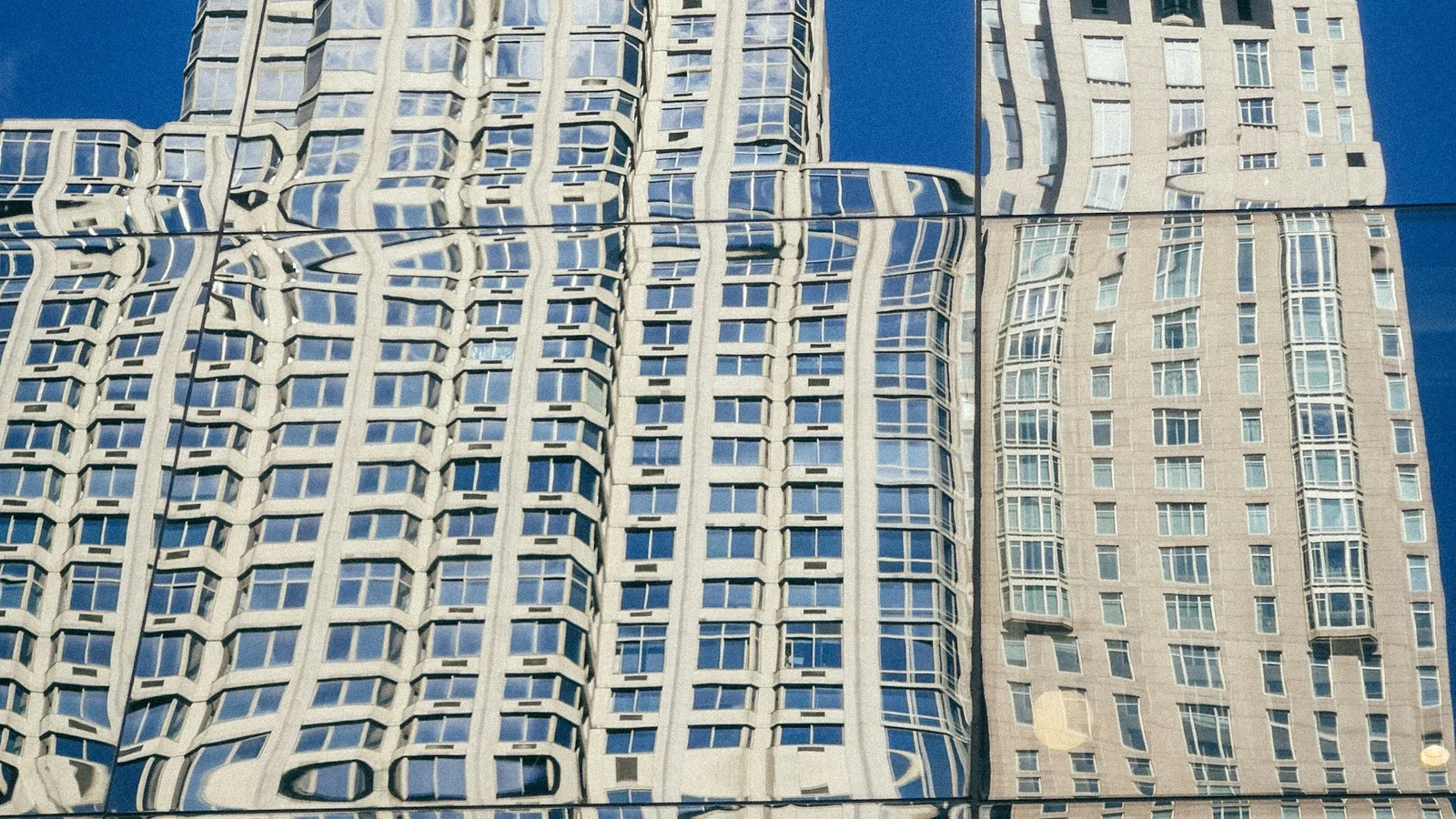
Describe what you see before naming the cause
Does a straight roofline look bent in reflection, or does the view through the glass appear uneven? Does the effect change as you move? Is it visible only at a certain time of day? Is the concern new, or has it been present since installation?
Record those observations without pressing on the glass or removing components. A photograph taken at one extreme angle can be difficult to interpret. Include an overall view of the opening and a closer image of the concern, taken safely from an accessible location.
Understand that glass can have optical effects
Vitro’s explanation of distortion and anisotropy notes that heat treatment can introduce optical distortion and visible strain patterns. It also identifies loading and environmental changes as possible influences on glass appearance. Its discussion does not diagnose a particular installed window.
Ask the supplier which glass construction you have and which manufacturer criteria apply to appearance. Do not assume that all impact glass has the same processing, or that any visible wave automatically qualifies for warranty replacement.
Create a repeatable photo record
Choose two or three normal viewing locations, such as the driveway, patio chair and interior seating area. Photograph the same opening from those positions in different light. Note the date, approximate time, viewing distance and whether the observation is reflected or transmitted.
Identify the opening by room and wall, and include the product label or order number if accessible. If only one section differs, show it alongside neighboring sections. That comparison is more useful to a service team than an isolated close-up with no location information.
Keep damage and operation on a separate list
Report visible cracks, chipped edges, changes around seals, water entry, persistent haze between panes or difficulty closing and locking separately from the optical concern. Avoid drawing a conclusion from the reflection alone. If glass is visibly damaged, keep people away from the affected area and arrange a qualified assessment; do not attempt to test its strength.
Our repair-versus-replacement guide helps organize a service conversation. It is not necessary to decide the remedy before asking for an inspection.
Review the product-specific response
Provide the installer or manufacturer with your records and ask what inspection method and warranty terms apply. Request a written explanation of the finding and the proposed next step. Our warranty checklist explains why product, labor and service terms should be considered separately.
For a future project, ask to view a representative installed sample under conditions similar to your home. A small handheld sample may not communicate how a large glazed opening looks from the street.
Do not apply film, abrasives or polishing compounds to experiment with the appearance. Contact ClearView with the opening location, product information and photos to discuss an appropriate assessment before choosing repairs or replacement windows.
Los reflejos ondulados no demuestran por sí solos que una ventana de impacto sea defectuosa o insegura. Tampoco conviene descartarlos sin examinar la condición real. Una solicitud útil distingue un reflejo cambiante de una grieta, un borde dañado, neblina interna persistente o un problema de funcionamiento.
Describa lo observado antes de atribuir una causa
¿Una línea recta del techo parece curvada en el reflejo o se deforma la vista a través del vidrio? ¿Cambia el efecto cuando se mueve? ¿Aparece solo a cierta hora? ¿Es reciente o existe desde la instalación?
Anote esas observaciones sin presionar el vidrio ni desmontar componentes. Una imagen tomada desde un ángulo extremo puede ser difícil de interpretar. Incluya una vista general del hueco y un acercamiento, ambos desde lugares accesibles y seguros.
Reconozca los posibles efectos ópticos
La explicación de Vitro sobre distorsión y anisotropía indica que el tratamiento térmico puede introducir distorsión óptica y patrones visibles de tensiones. También identifica cargas y cambios ambientales como posibles influencias en la apariencia. Esa explicación no diagnostica una ventana instalada concreta.
Pregunte al proveedor qué composición tiene su vidrio y qué criterios de apariencia aplica el fabricante. No suponga que todos los vidrios de impacto reciben el mismo procesamiento ni que cualquier ondulación da derecho a una sustitución en garantía.
Prepare un registro fotográfico repetible
Elija dos o tres posiciones habituales, como la entrada, una silla del patio y el asiento interior. Fotografíe el mismo hueco desde esas posiciones con diferentes condiciones de luz. Anote fecha, hora aproximada, distancia y si observa el reflejo o la vista a través del vidrio.
Identifique la habitación y pared, y añada etiqueta de producto o número de pedido si está accesible. Si solo una sección presenta la diferencia, muéstrela junto a las contiguas. Esa comparación resulta más útil que un acercamiento aislado sin ubicación.
Registre por separado daños y funcionamiento
Comunique grietas, bordes desportillados, cambios en sellos, entrada de agua, neblina persistente entre hojas o dificultad para cerrar y asegurar. Evite concluir a partir del reflejo solamente. Si el vidrio tiene daño visible, mantenga a las personas alejadas y solicite una evaluación cualificada; no pruebe su resistencia.
Nuestra guía de reparación o reemplazo ayuda a organizar la consulta. No necesita decidir la solución antes de pedir una inspección.
Solicite una respuesta específica del producto
Entregue sus registros al instalador o fabricante y pregunte qué método de inspección y condiciones de garantía corresponden. Pida una explicación escrita del resultado y del siguiente paso. Nuestra lista de garantía explica por qué producto, mano de obra y servicio se revisan por separado.
Para un proyecto futuro, solicite ver una muestra instalada representativa en condiciones similares a su vivienda. Una pequeña muestra de mano puede no mostrar cómo se verá un vidrio grande desde la calle.
No aplique películas, abrasivos ni compuestos de pulido para experimentar. Contacte a ClearView con ubicación, información del producto y fotos para conversar sobre una evaluación antes de elegir reparaciones o ventanas nuevas.
Educational InformationInformación Educativa
This article provides general educational information. Product availability, configurations, approvals, measurements, installation requirements, financing terms, and property conditions must be reviewed for each individual project.Este artículo ofrece información educativa general. La disponibilidad, configuraciones, aprobaciones, medidas, instalación, financiamiento y condiciones deben revisarse para cada proyecto.
Article FAQsPreguntas del Artículo
Frequently asked questions about this topic.Preguntas frecuentes sobre este tema.
These answers provide general planning guidance. Product selection and installation details should be confirmed for the specific property and opening.Estas respuestas ofrecen orientación general. La selección e instalación deben confirmarse según la propiedad y la abertura.
Do wavy reflections mean an impact window has failed?
Not necessarily. Appearance alone does not establish structural performance or a defect. Document the condition and request evaluation of the specific product.
Should I polish the glass to remove distortion?
Do not attempt abrasive polishing or modification without written manufacturer direction. It may damage surfaces or coatings and will not necessarily address the cause.
¿Los reflejos ondulados significan que la ventana falló?
No necesariamente. La apariencia por sí sola no demuestra un defecto ni el comportamiento estructural. Documente la condición y solicite evaluación del producto concreto.
¿Conviene pulir el vidrio para quitar la distorsión?
No intente pulir con abrasivos ni modificar el vidrio sin instrucciones escritas del fabricante. Puede dañar superficies o revestimientos sin resolver la causa.
Continue ExploringContinúe Explorando
Connect what you learned with the next project step.Conecte lo aprendido con el próximo paso del proyecto.
Review relevant services, completed projects, financing information, customer feedback, or contact ClearView for a property-specific consultation.Revise servicios, proyectos completados, financiamiento, reseñas o contacte a ClearView para una consulta específica.
Explore ServicesExplorar Servicios
Compare ClearView impact windows, doors, residential solutions, and commercial systems.Compare ventanas, puertas, soluciones residenciales y sistemas comerciales de ClearView.
ExploreExplorarView Completed ProjectsVer Proyectos Completados
See real residential and commercial impact window, door, glass, and storefront installations.Vea instalaciones residenciales y comerciales de ventanas, puertas, vidrio y fachadas.
ExploreExplorarExplore FinancingExplorar Financiamiento
Review available financing information and considerations for qualifying impact projects.Revise información y consideraciones de financiamiento para proyectos elegibles.
ExploreExplorarRead Customer ReviewsLeer Reseñas
Read current customer feedback published through the ClearView Google Business Profile.Lea comentarios actuales publicados mediante el perfil de Google Business de ClearView.
ExploreExplorarContinue LearningContinúe Aprendiendo
Related ClearView articles.Artículos relacionados de ClearView.
Explore additional guides connected to the products, decisions, and planning considerations discussed in this article.Explore guías relacionadas con los productos, decisiones y consideraciones mencionadas en este artículo.
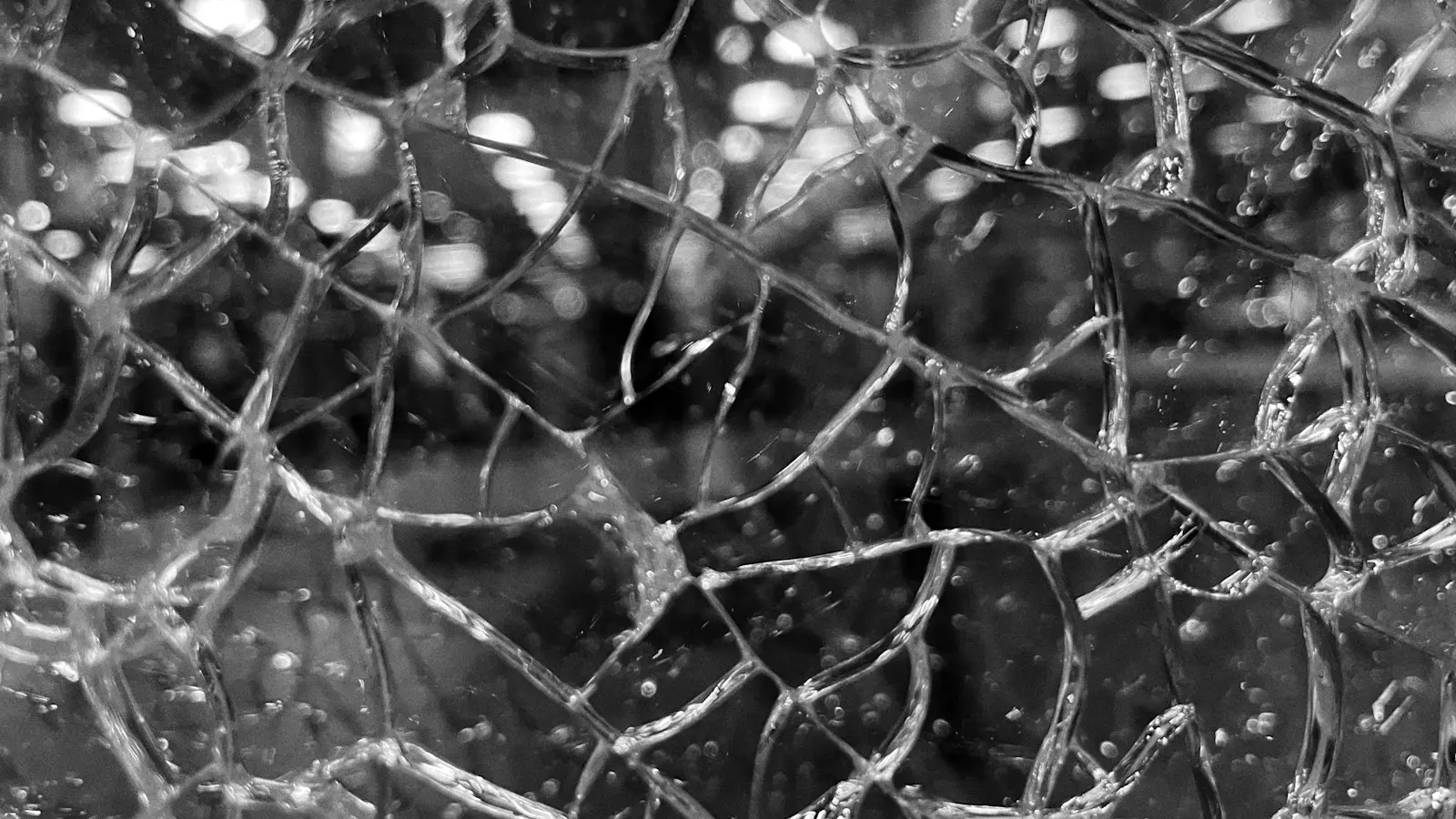 MaintenanceMantenimiento
September 18, 202618 de septiembre de 2026
Impact Window Repair vs. Replacement: What Can Be Safely Serviced?Reparar vs. Reemplazar Ventanas de Impacto: Qué Puede Atenderse
A worn roller is not the same problem as cracked laminated glass or a distorted frame. Diagnose the cause, identify the approved product, and match the remedy to its documents.Un rodillo gastado no es igual a vidrio laminado roto o un marco deformado. Diagnostique la causa, identifique el producto y ajuste la solución a sus documentos.
Read ArticleLeer Artículo PlanningPlanificación
September 13, 202613 de septiembre de 2026
Impact Window Warranties: A Florida Homeowner's Pre-Purchase ChecklistGarantías de ventanas de impacto: qué revisar antes de comprar en Florida
“Lifetime” is a starting point, not the whole agreement. Organize product and installation coverage before approving an impact-window order, and build a useful handoff file.“De por vida” no describe todo el acuerdo. Organice las responsabilidades del producto y de la instalación antes de aprobar el pedido y prepare un archivo útil para futuras consultas.
Read ArticleLeer Artículo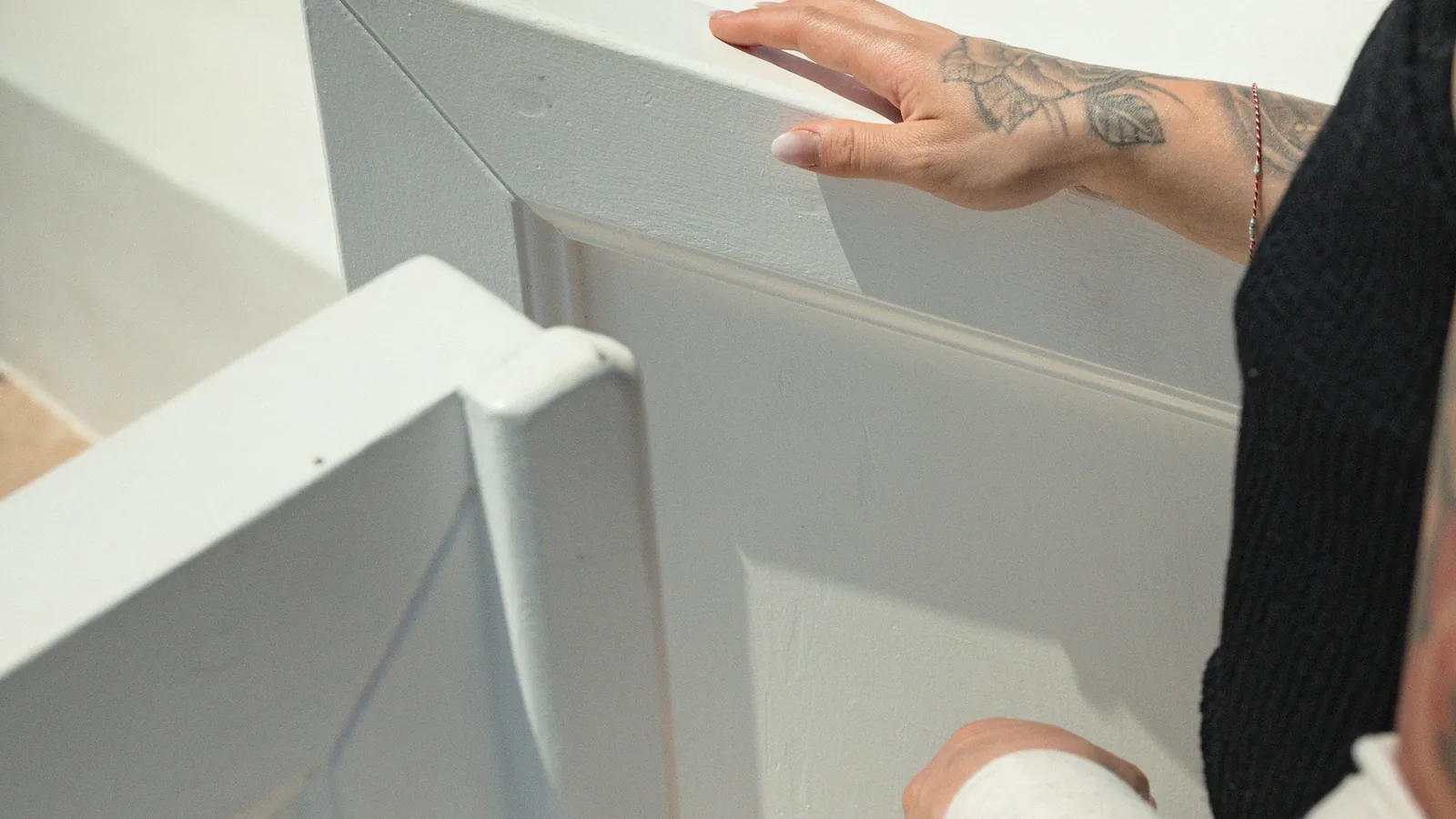 MaintenanceMantenimiento
November 15, 202615 de noviembre de 2026
Impact Door Weatherstripping: Drafts, Light Gaps and WaterWeatherstripping de puertas: corrientes, luz y agua
Troubleshoot impact-door drafts, light gaps and water by checking weatherstripping, sweeps, thresholds, alignment, drainage, sealants and manufacturer instructions.Diagnostique corrientes, luz y agua revisando weatherstripping, sweeps, umbrales, alineación, drenaje, selladores e instrucciones del fabricante.
Read ArticleLeer Artículo